My Brutally Honest Review of the WHOOP 5.0: Is Sleep Tracking Worth $30/Month?
The Promise That Hooked Me
When WHOOP announced their 5.0 model in January with a seven-day battery life and new stress monitoring capabilities, I was already three months deep into the worst sleep period of my adult life. Working late, stress eating, doom-scrolling until 2 AM—the whole catastrophic package. The idea that a little black band could somehow decode the mystery of why I felt like garbage every morning seemed worth investigating, even at thirty dollars a month.
I’d tried the Apple Watch sleep tracking, which felt like asking a Ferrari to monitor my grocery shopping habits. I’d downloaded apps that promised to revolutionize my rest with nothing more than my phone’s microphone. But WHOOP felt different—serious, clinical, like it might actually tell me something I didn’t want to hear about my habits. Sometimes that’s exactly what you need.
The subscription model felt steep compared to buying a Fitbit outright, but I rationalized it as cheaper than therapy. If this thing could help me figure out why my energy levels resembled those of a depressed sloth, maybe it was worth more than the cost of my monthly coffee habit. Spoiler alert: the math on both fronts got complicated.
Living With the Data Deluge
The first month with WHOOP felt like drinking from a fire hose made of charts and percentages. Recovery scores, strain goals, sleep debt calculations—every morning brought a new report card on my existence. The device itself disappeared on my wrist after a few days, which I appreciated. No buzzing notifications or glowing screens demanding attention, just quiet data collection happening in the background.
What caught me off guard was how accurate some of the readings felt. When the Wareable WHOOP 5.0 accuracy testing showed heart rate measurements within three percent of chest strap monitors during exercise, I wasn’t surprised. During workouts, the thing seemed to know my heart rate better than I did. Sleep tracking proved trickier than any marketing material suggested.
The stress monitoring feature launched with bold promises, but in practice it felt like having an anxious friend constantly checking on you. “Your heart rate variability suggests elevated stress,” the app would inform me, usually right after I’d already figured out I was stressed about a work deadline or family situation. The insights weren’t wrong, but they weren’t particularly revelatory either.
The Sleep Tracking Reality Check
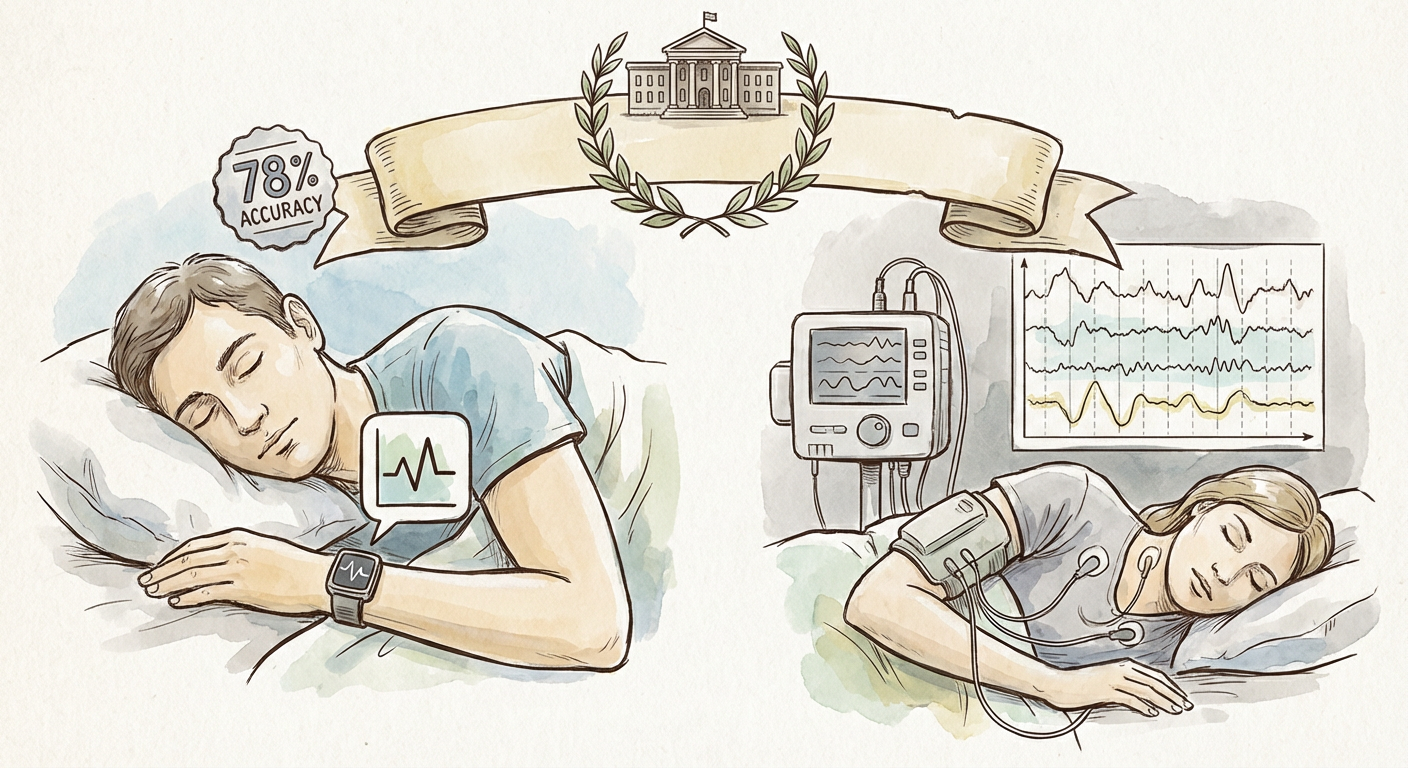
After six months of wearing this thing religiously, I started questioning whether the sleep data was helping or just creating new anxiety. The Harvard sleep tracker accuracy study from December found that consumer sleep trackers average about 78% accuracy compared to clinical sleep studies. That means roughly one in five nights, the data I was obsessing over might be wrong.
I noticed patterns in my own experience that made me wonder about that 22% error rate. Some nights when I felt terrible, WHOOP insisted I’d gotten great sleep. Other mornings when I woke up refreshed, it scolded me about poor recovery. The disconnect was frustrating enough that I started keeping a simple journal of how I actually felt, separate from what the app told me I should feel.
The sleep coaching recommendations often felt generic—avoid screens before bed, keep your room cool, maintain consistent bedtime. Sound advice, certainly, but nothing I couldn’t have found in any sleep hygiene article online. For thirty dollars a month, I expected more personalized insights based on my specific patterns and responses.
The Subscription Trap and Community Questions
By month eight, the subscription cost started feeling heavier than the device on my wrist. At $360 annually, WHOOP costs more than many people spend on gym memberships. The company reports 1.2 million active subscribers with an 89% renewal rate, which suggests most people find value I was struggling to quantify. But that also meant I was part of a pretty expensive club that might just be really good at convincing itself the membership was worthwhile.
The social features felt forced—seeing friends’ strain scores and recovery percentages didn’t motivate me the way leaderboards do in fitness apps. If anything, it created weird pressure to justify low recovery days or explain why I didn’t hit my strain targets. Sleep isn’t competitive. Treating it like a sport seemed to miss the point entirely.
What bothered me most was the device dependence. Miss a few days of wearing it, and the app acts like you’ve disappeared entirely. There’s no graceful degradation, no way to manually input how you felt or what you did. For a tool supposedly designed to improve your relationship with your body’s signals, it demanded pretty rigid adherence to its own measurement methods.
The Messy Truth About Behavior Change
Here’s what actually changed during my year with WHOOP: I became more aware of my sleep schedule, but mostly because I was checking the app every morning, not because I fundamentally understood my patterns better. I started going to bed earlier, but that had more to do with seeing my recovery scores tank after late nights than any deep insight into my circadian rhythms. The device captured my behavior changes, but I’m not convinced it caused them.
The most valuable realization came around month ten, when I stopped wearing the device for two weeks during a vacation. Without the constant stream of metrics, I started paying attention to how I actually felt again. Tired meant tired, regardless of heart rate variability. Energized meant energized, whether or not my sleep architecture looked optimal on a graph.
That doesn’t mean the WHOOP data was useless—it provided external validation for patterns I was already starting to notice. But at some point, you have to trust your own experience over the algorithm’s interpretation of your experience. The device excels at measurement, but wisdom about your own body has to come from somewhere deeper than a smartphone app.
If you’re considering WHOOP, ask yourself whether you need better data about your sleep or better habits around your sleep. For some people, especially athletes tracking training loads, the detailed metrics might justify the cost. For others, a $30 book about sleep hygiene might work better than a $360 annual subscription. What questions are you hoping the data will answer? Do you really need a computer to answer them?
Comments are Disabled